“Urban fires are a strange disunity: disaster for some, spectacle for many others.”
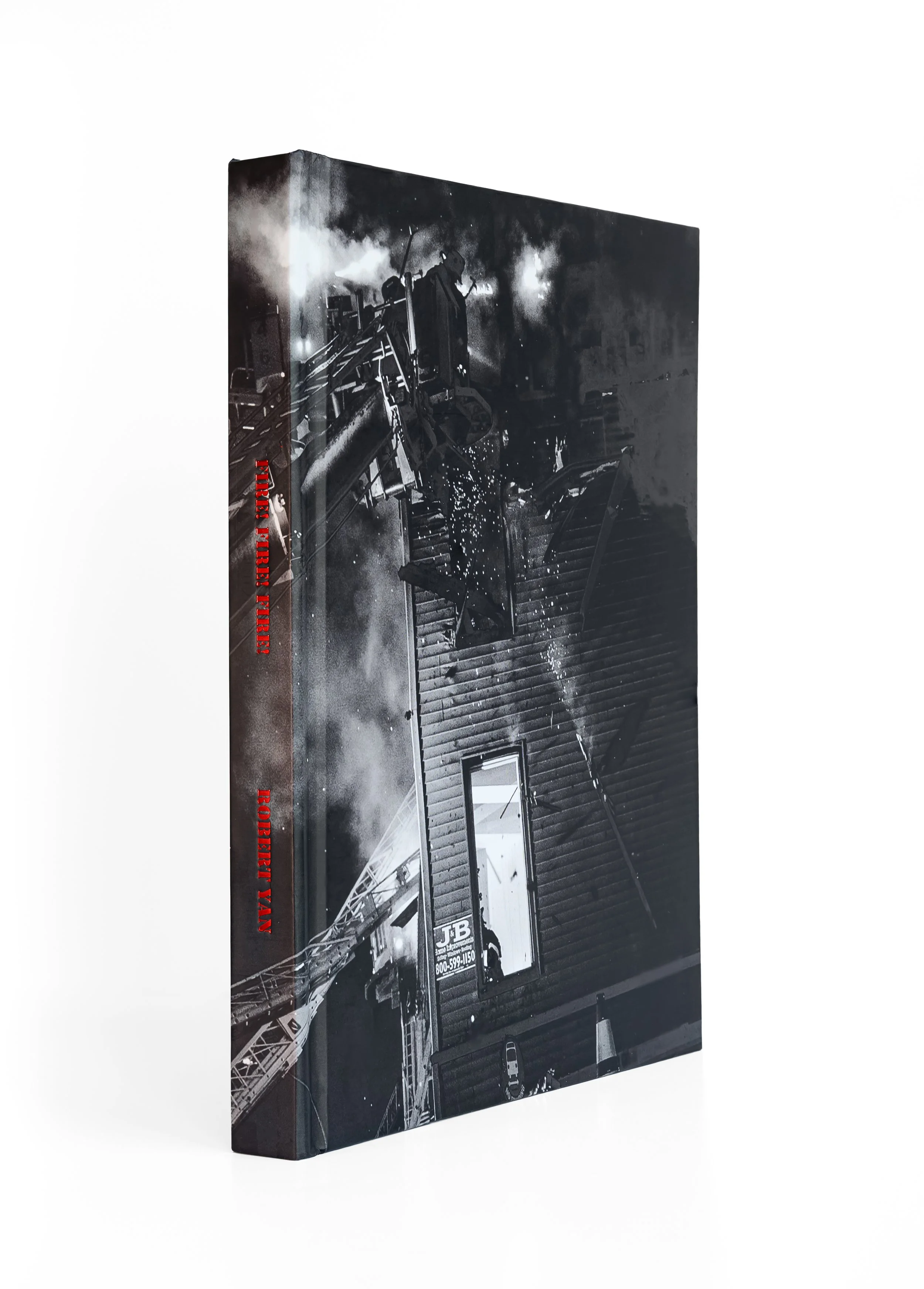
Fire! Fire! Fire! (2024-25)
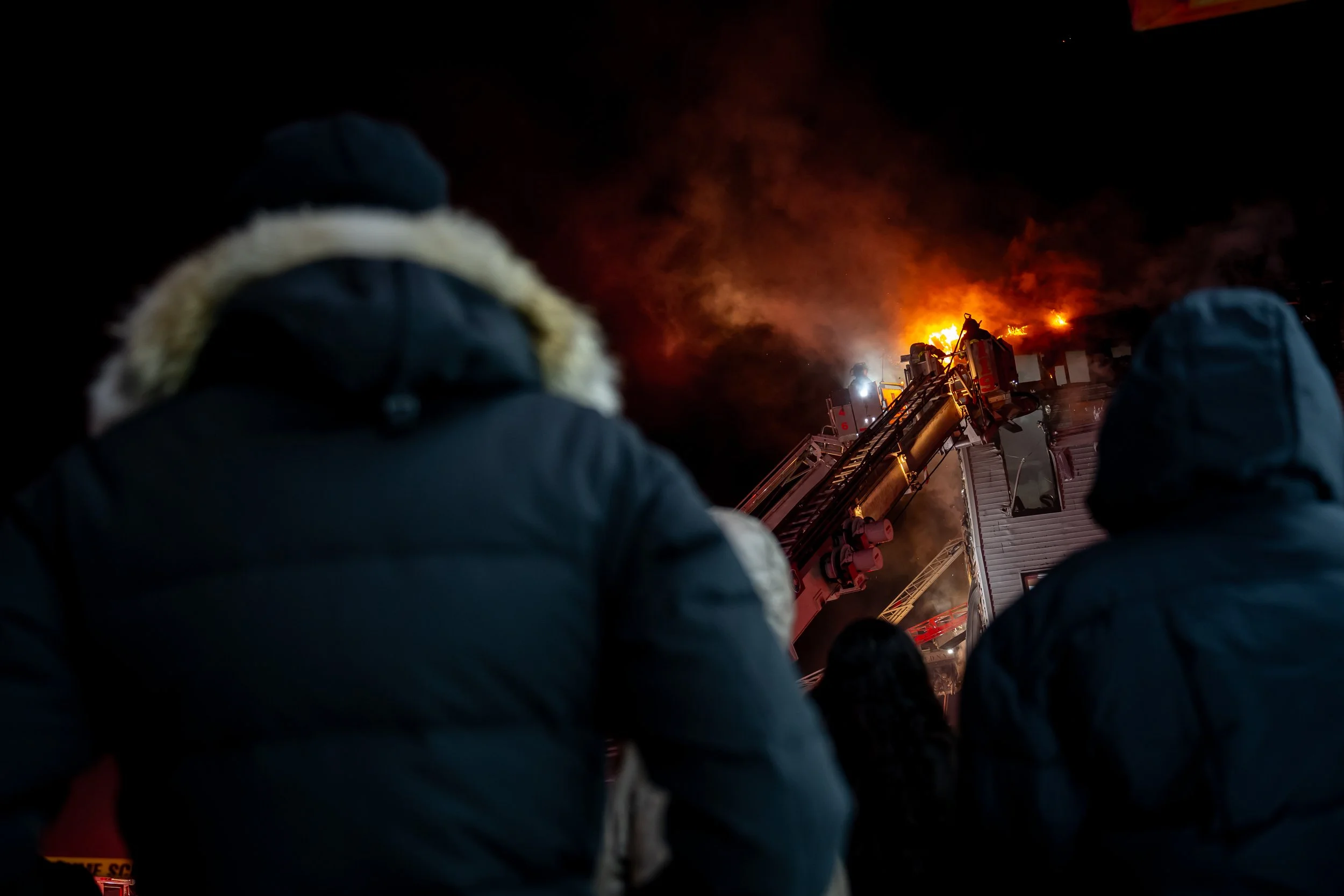
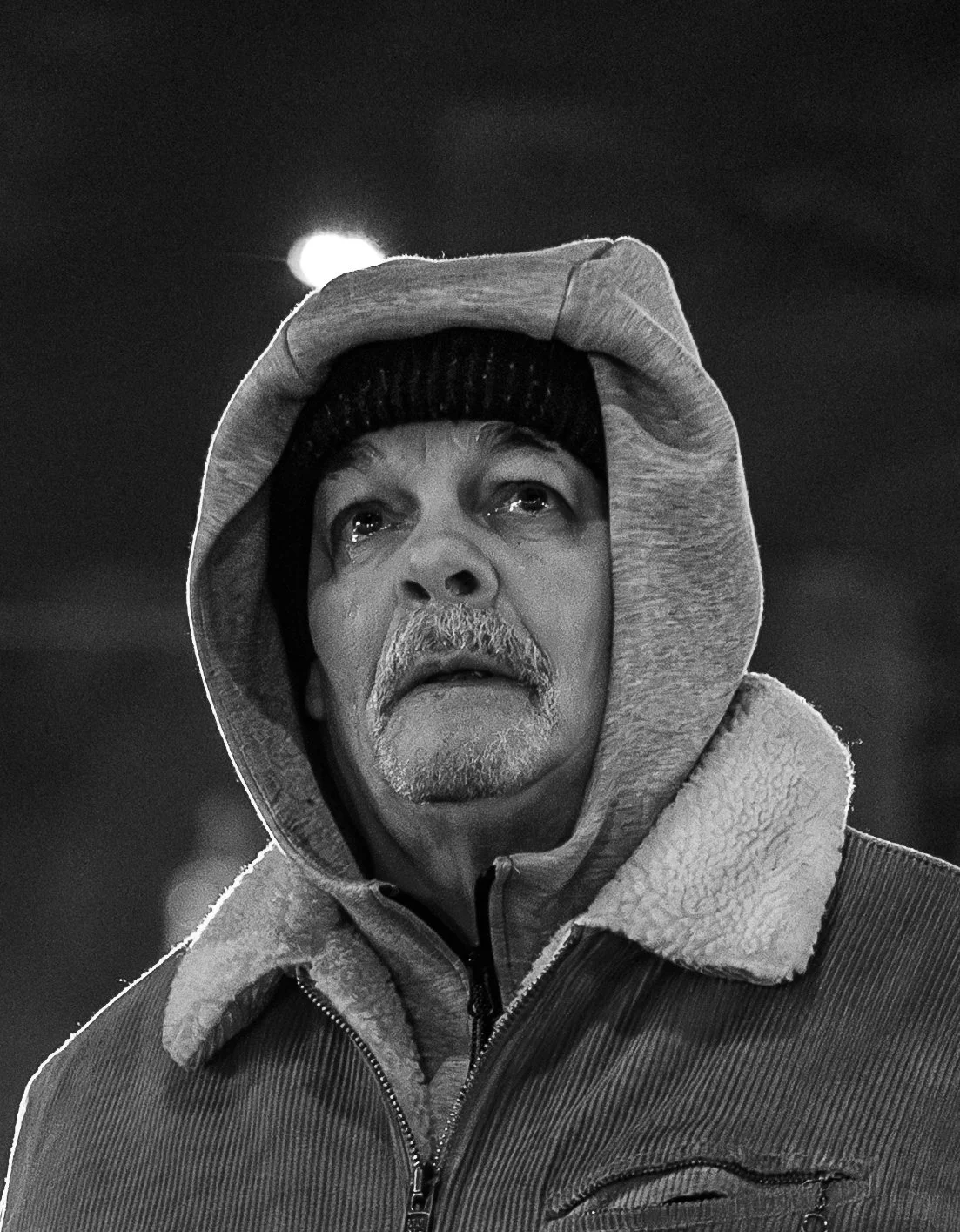
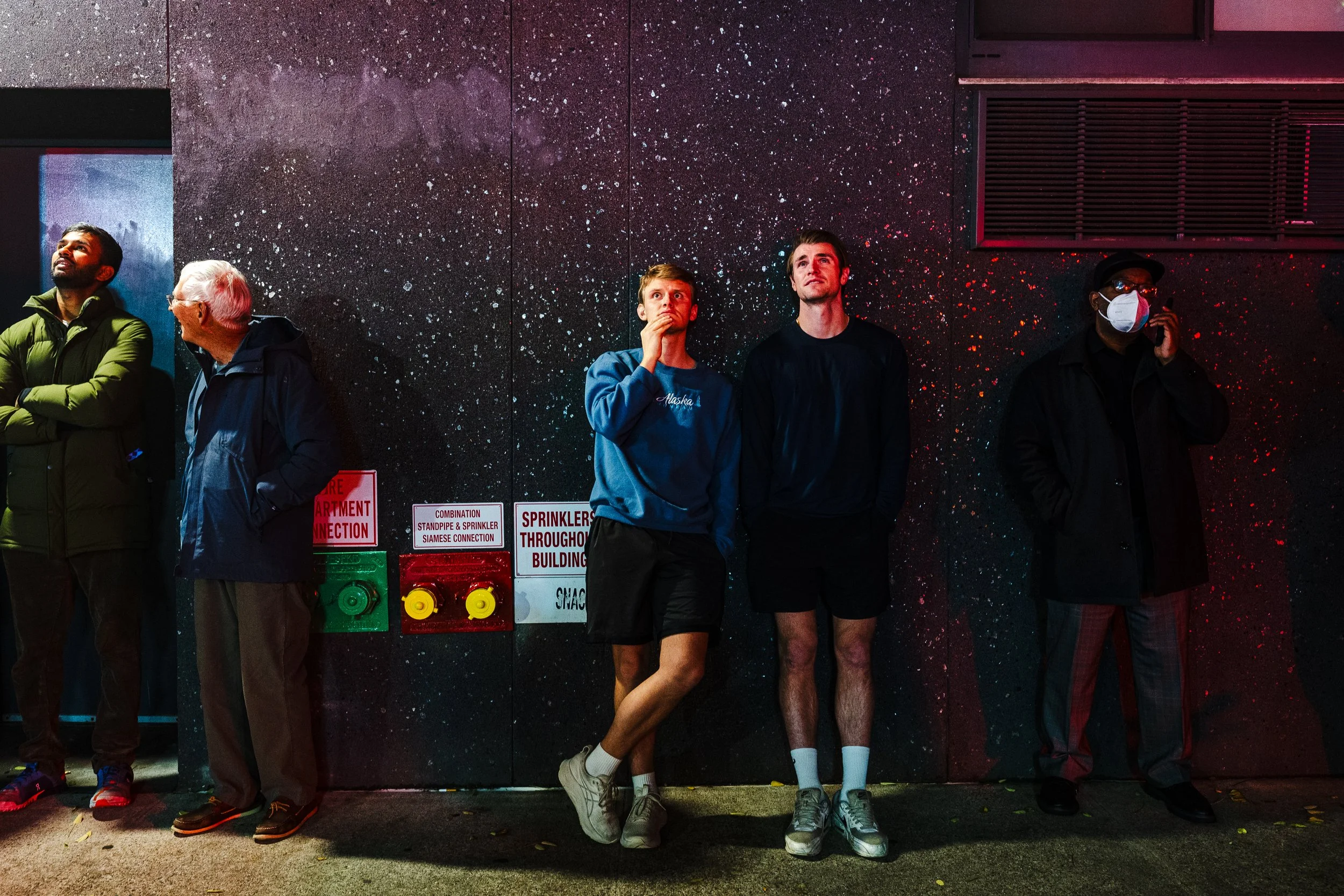
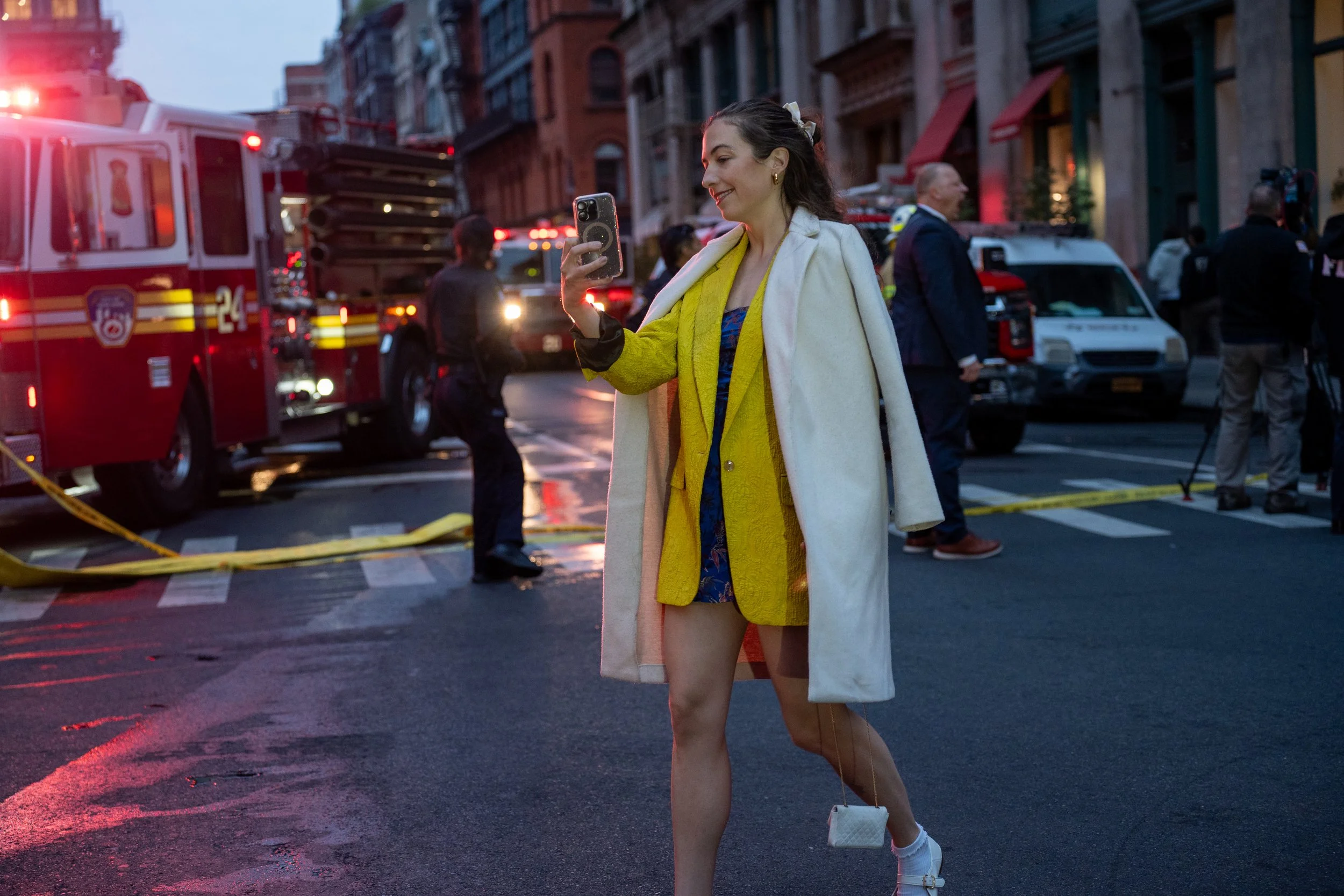
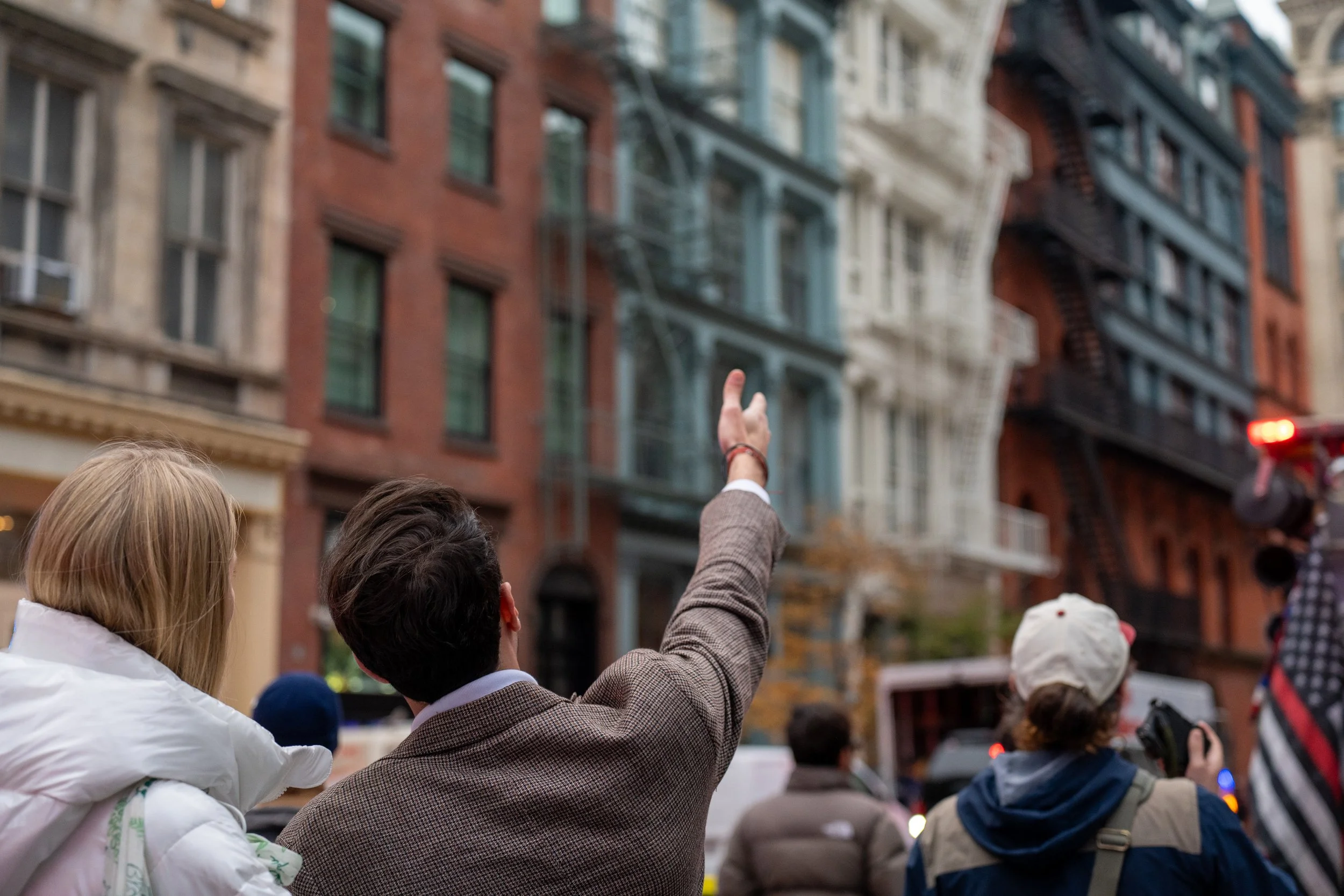
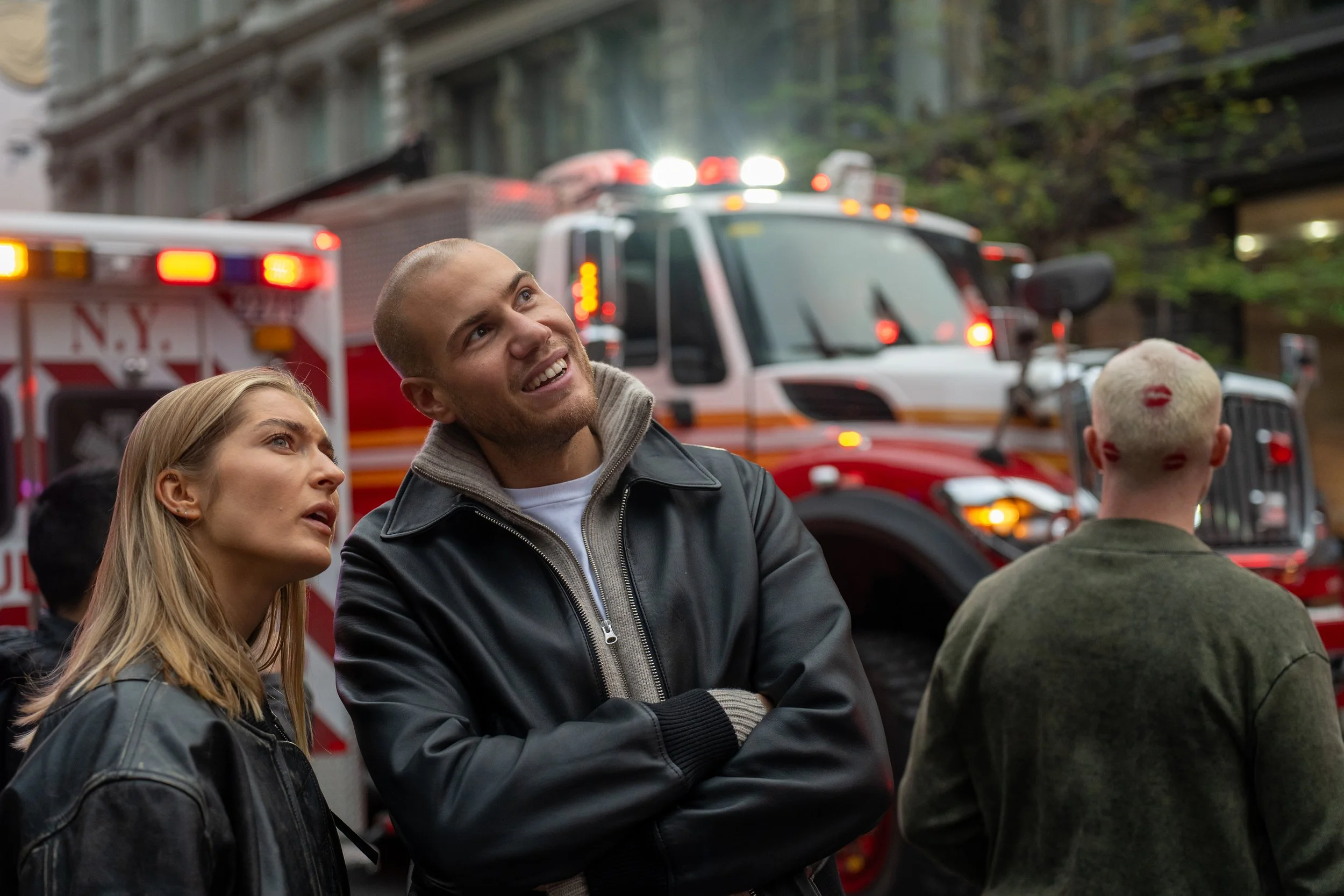
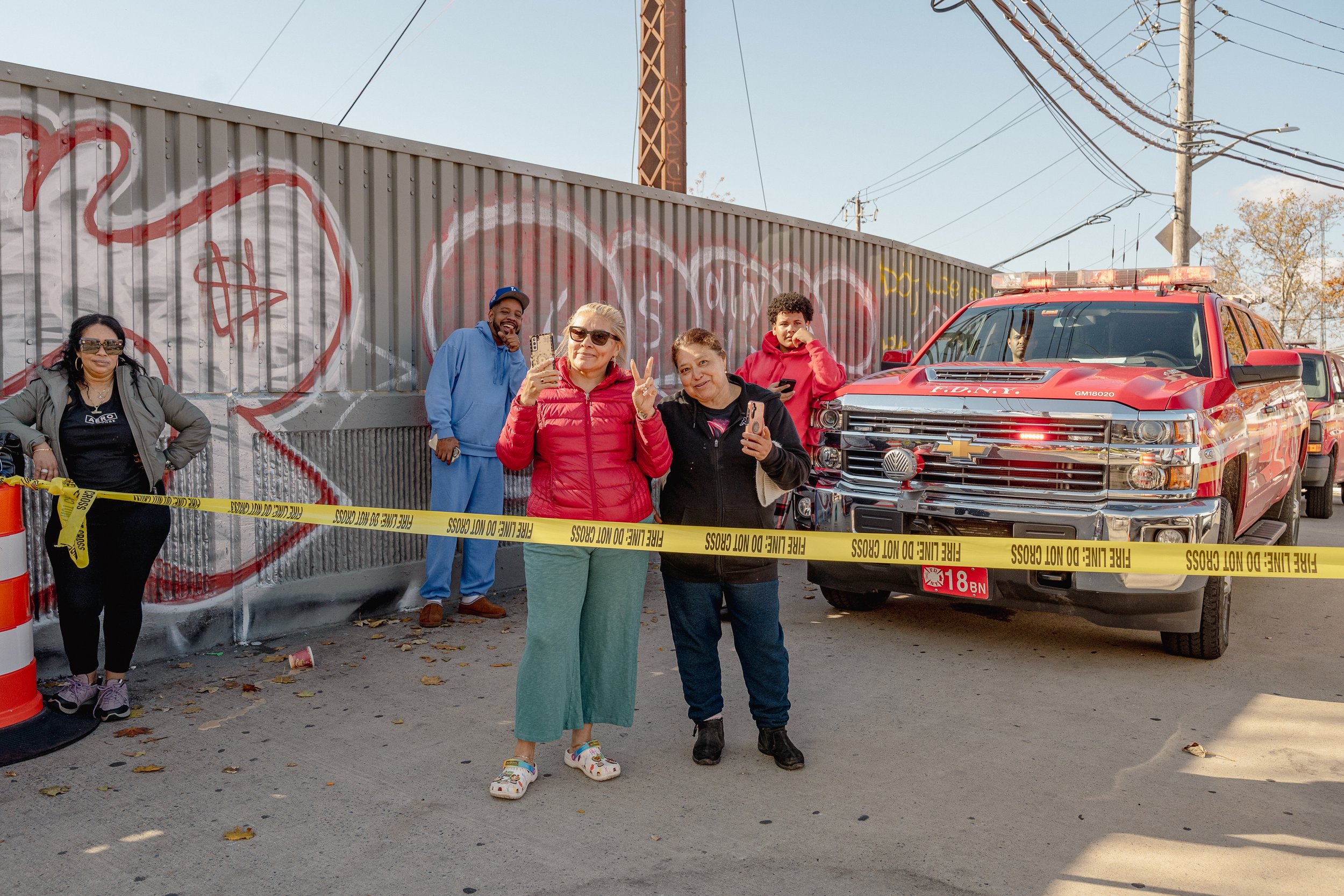
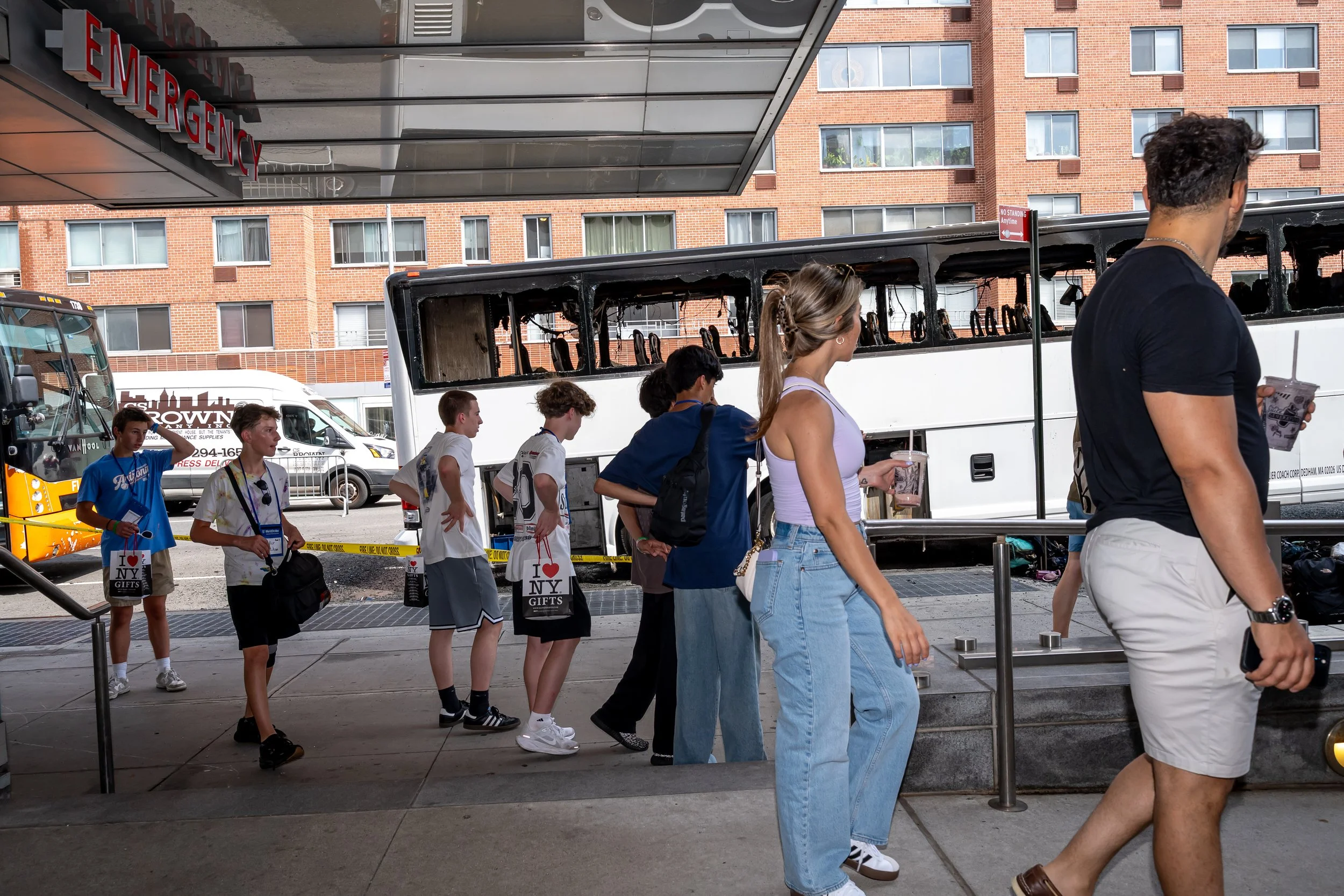
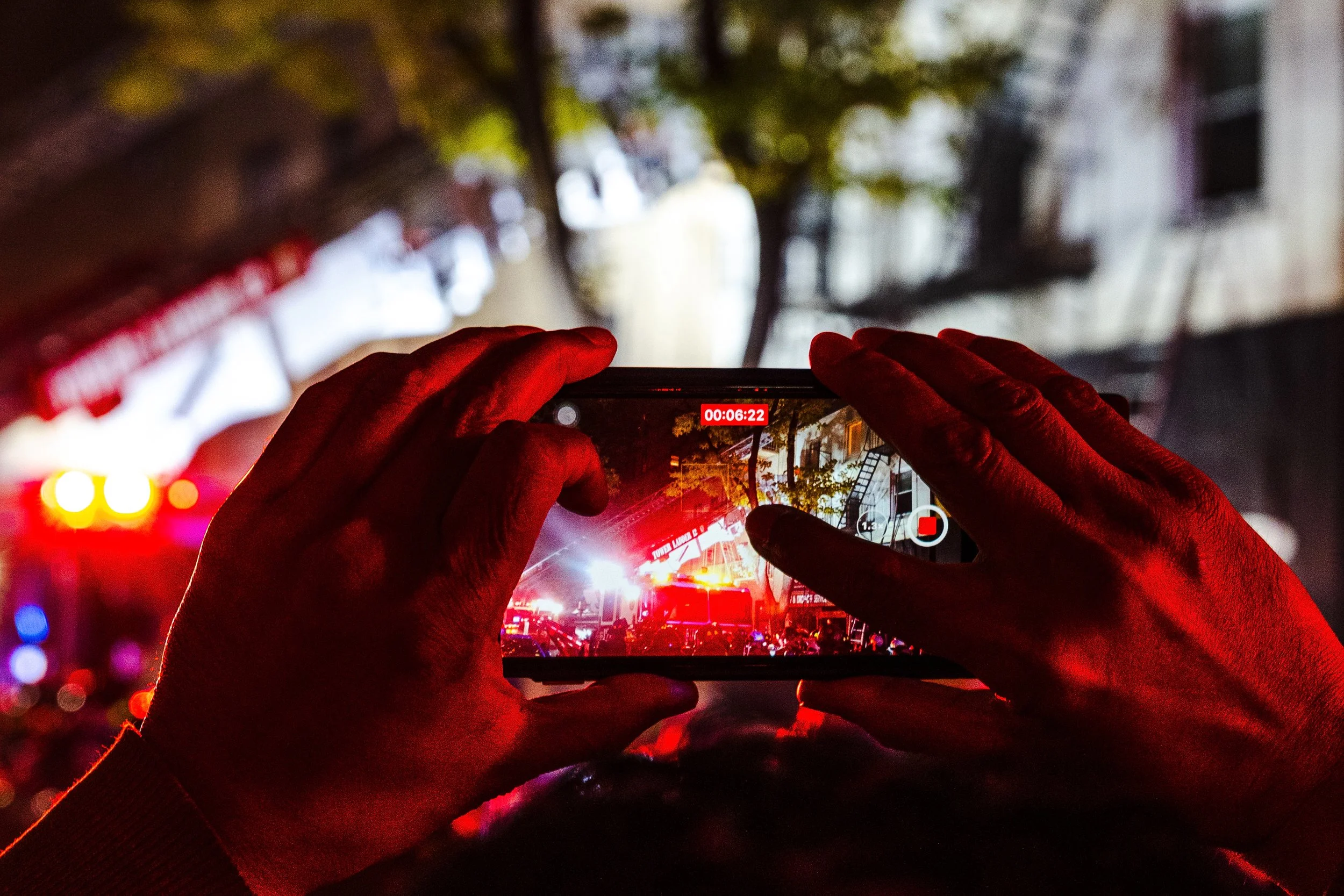
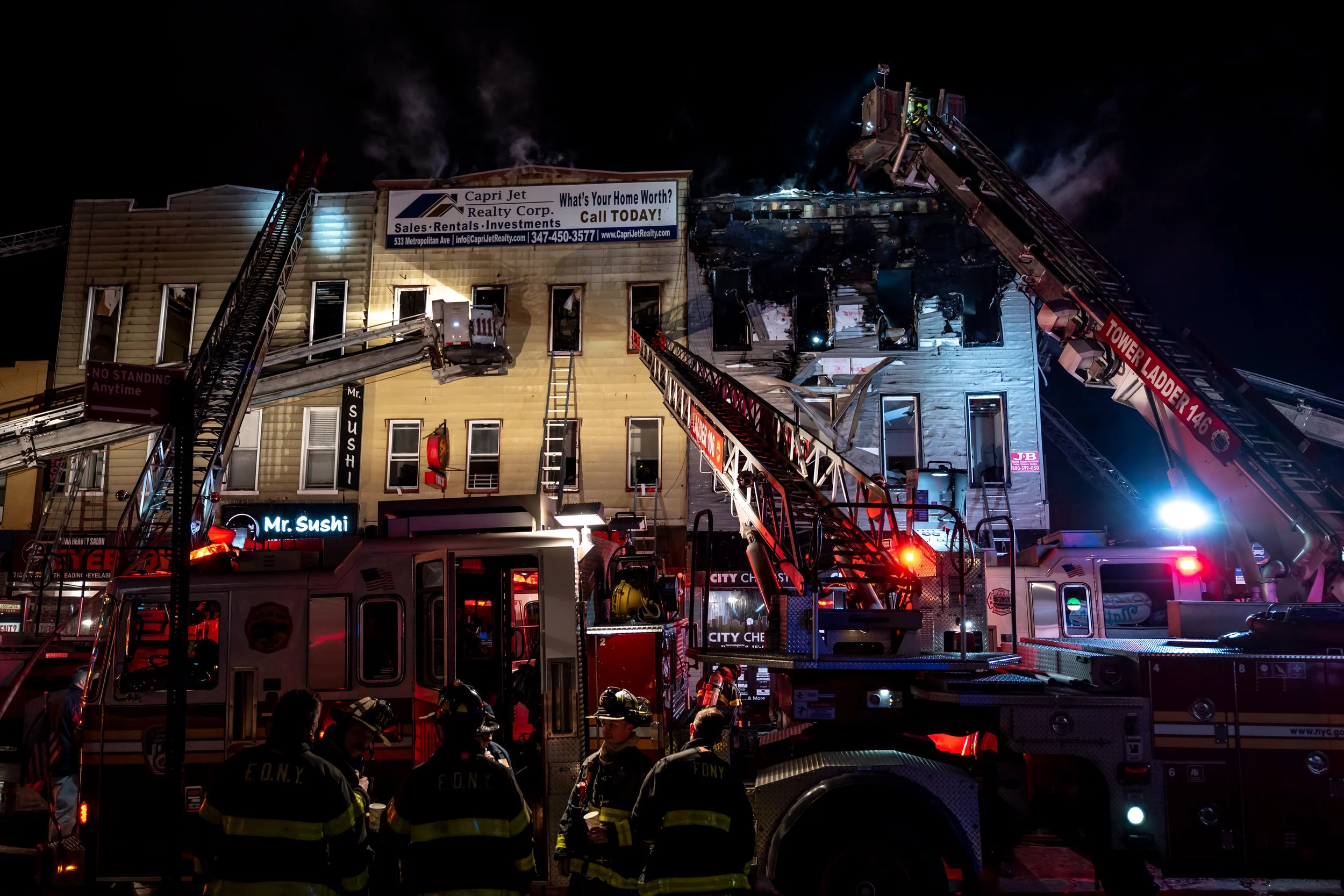
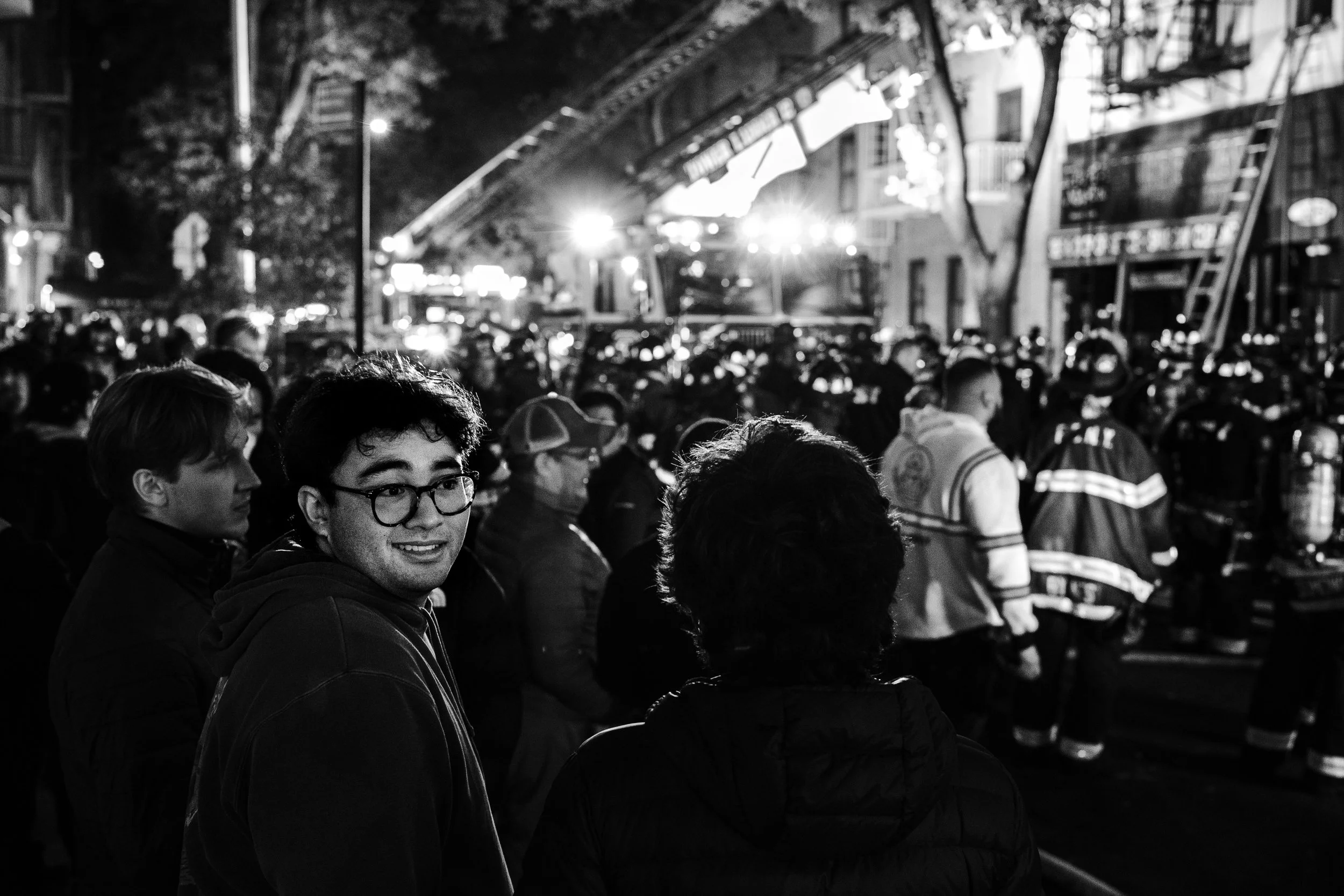
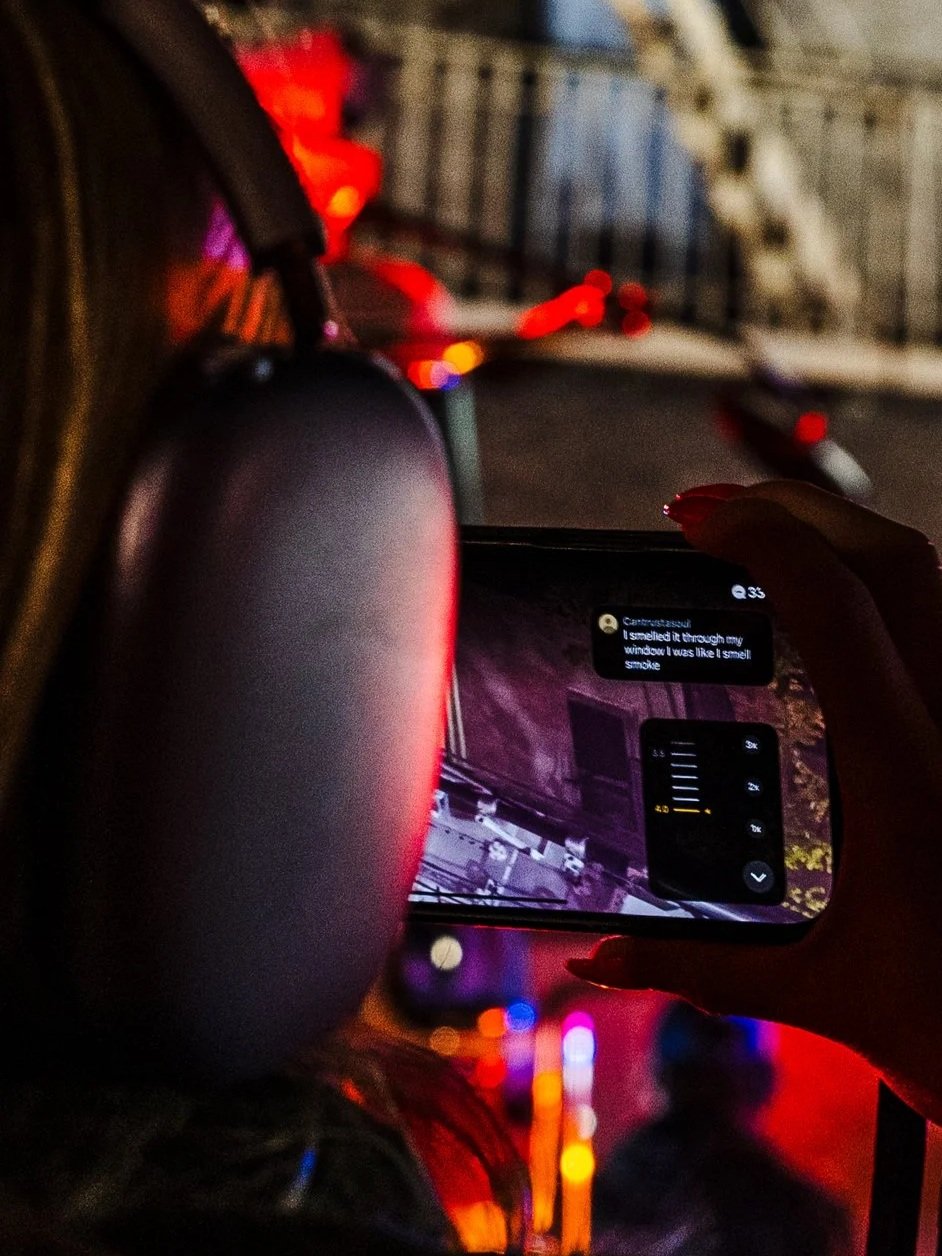
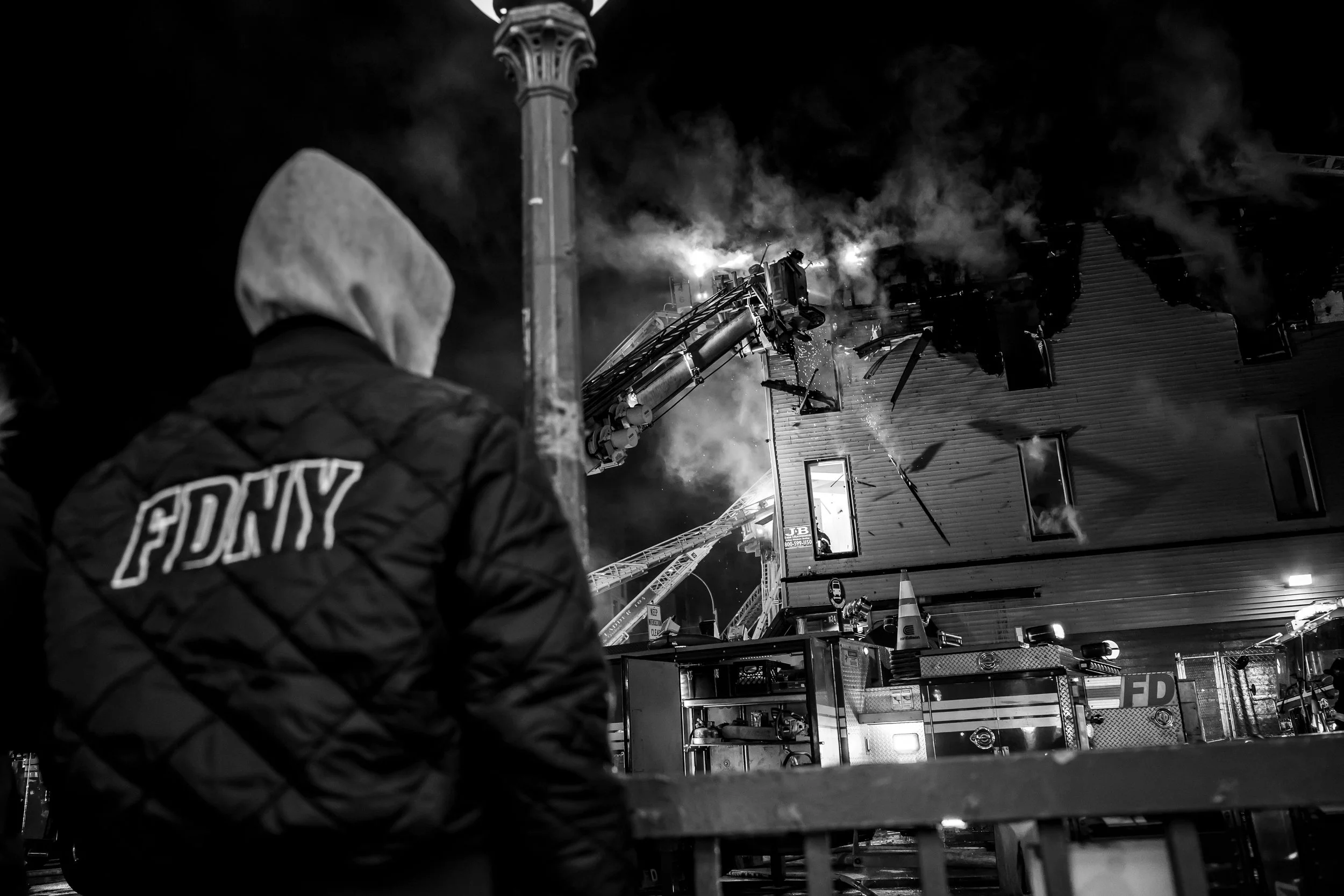
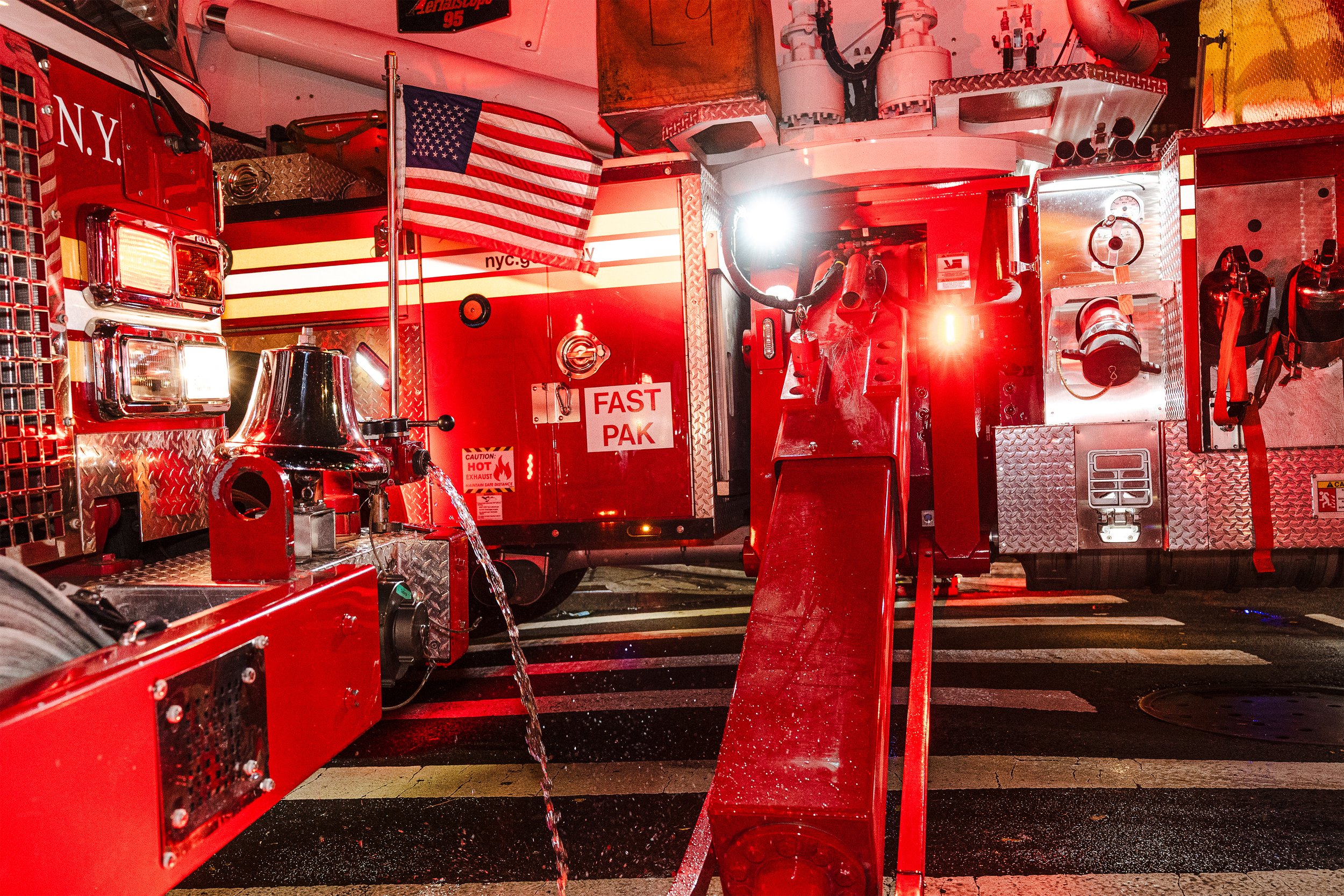
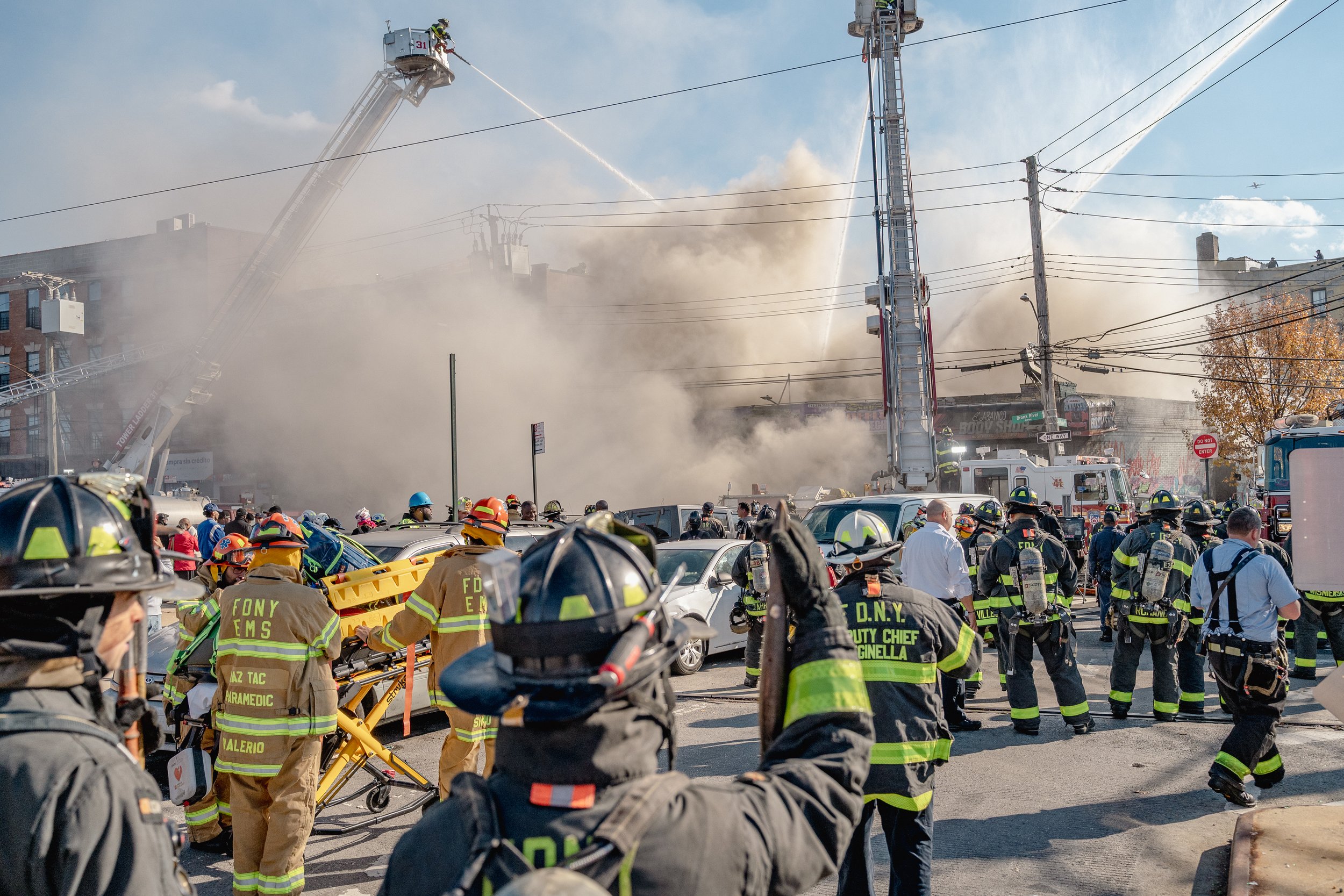
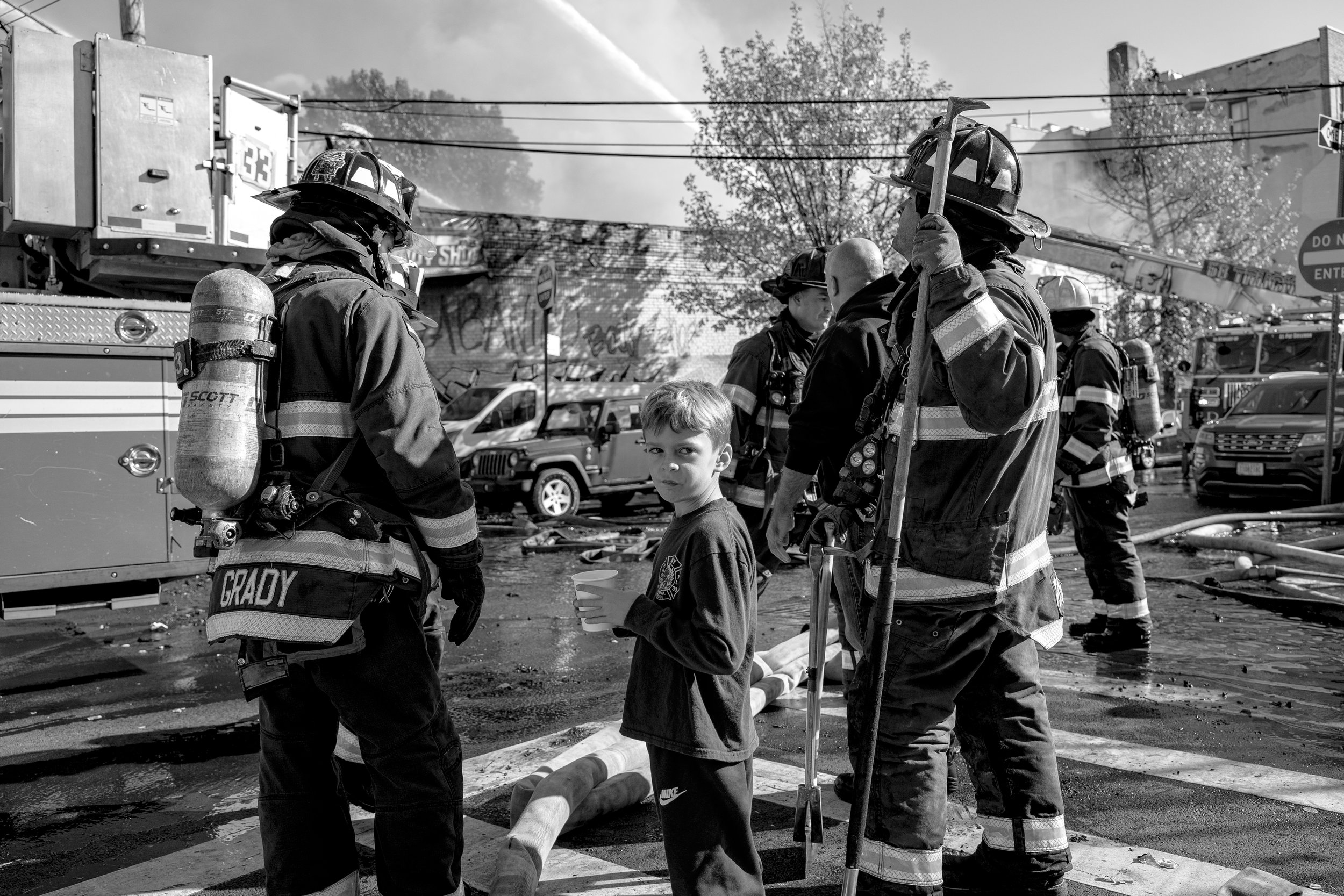
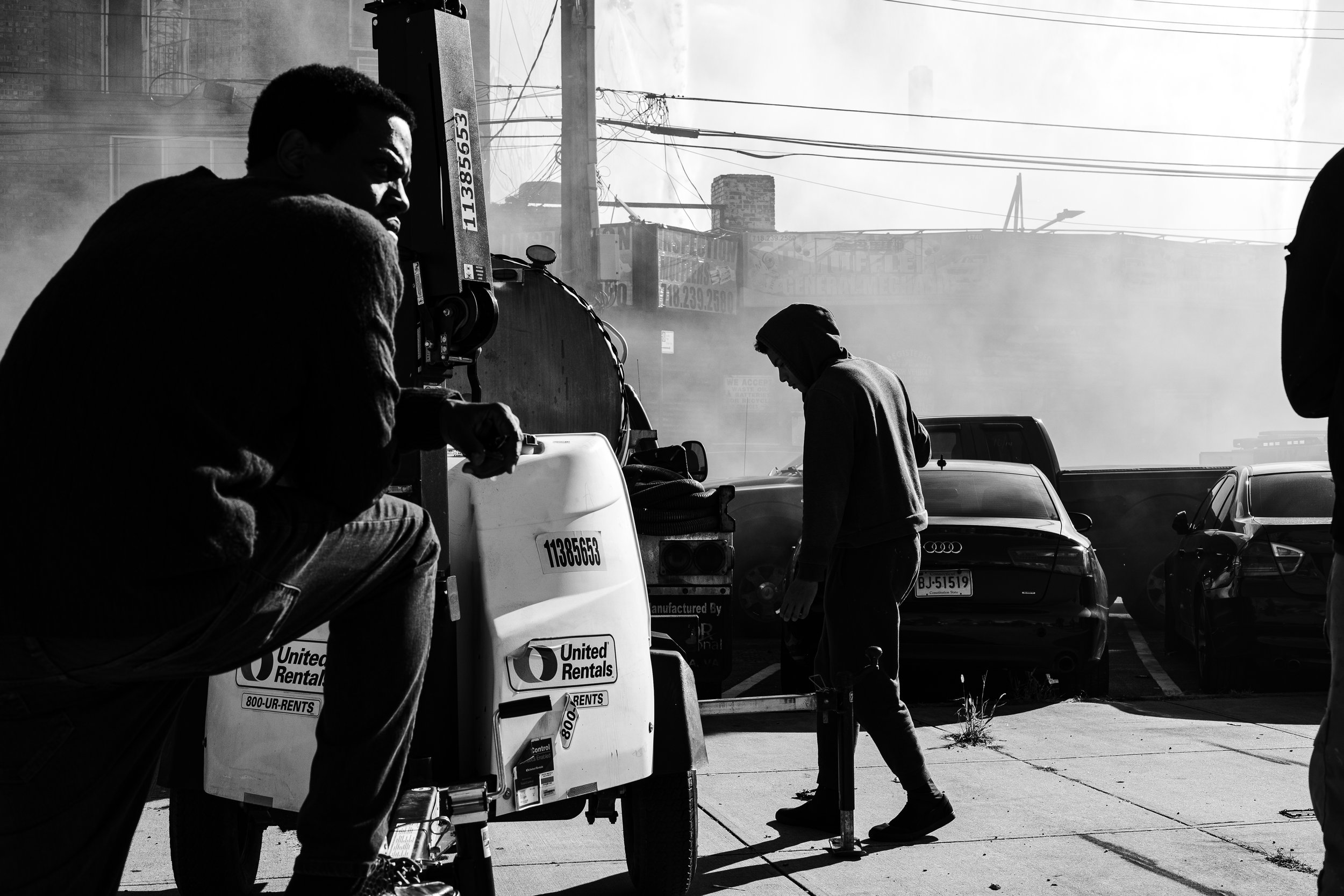
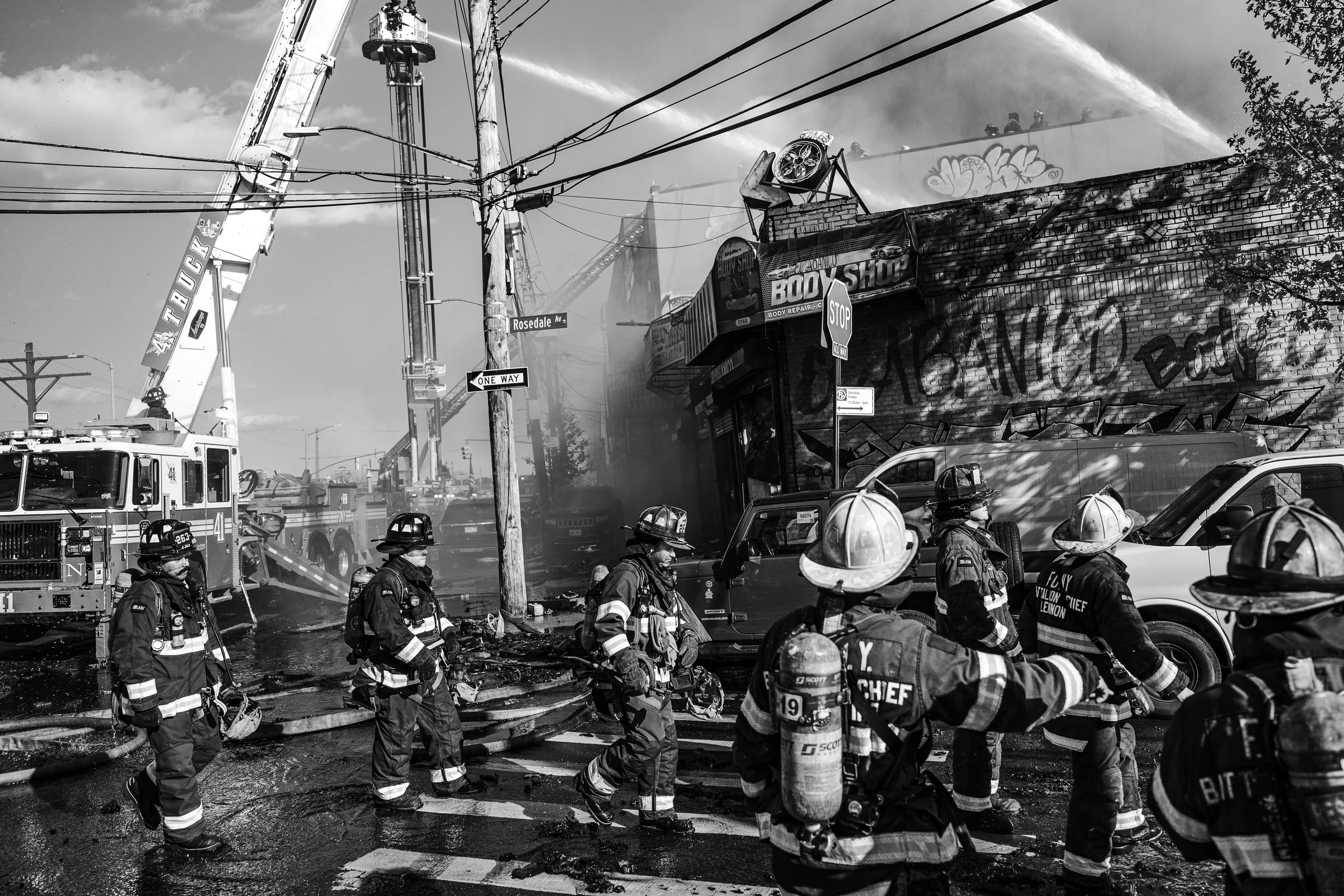
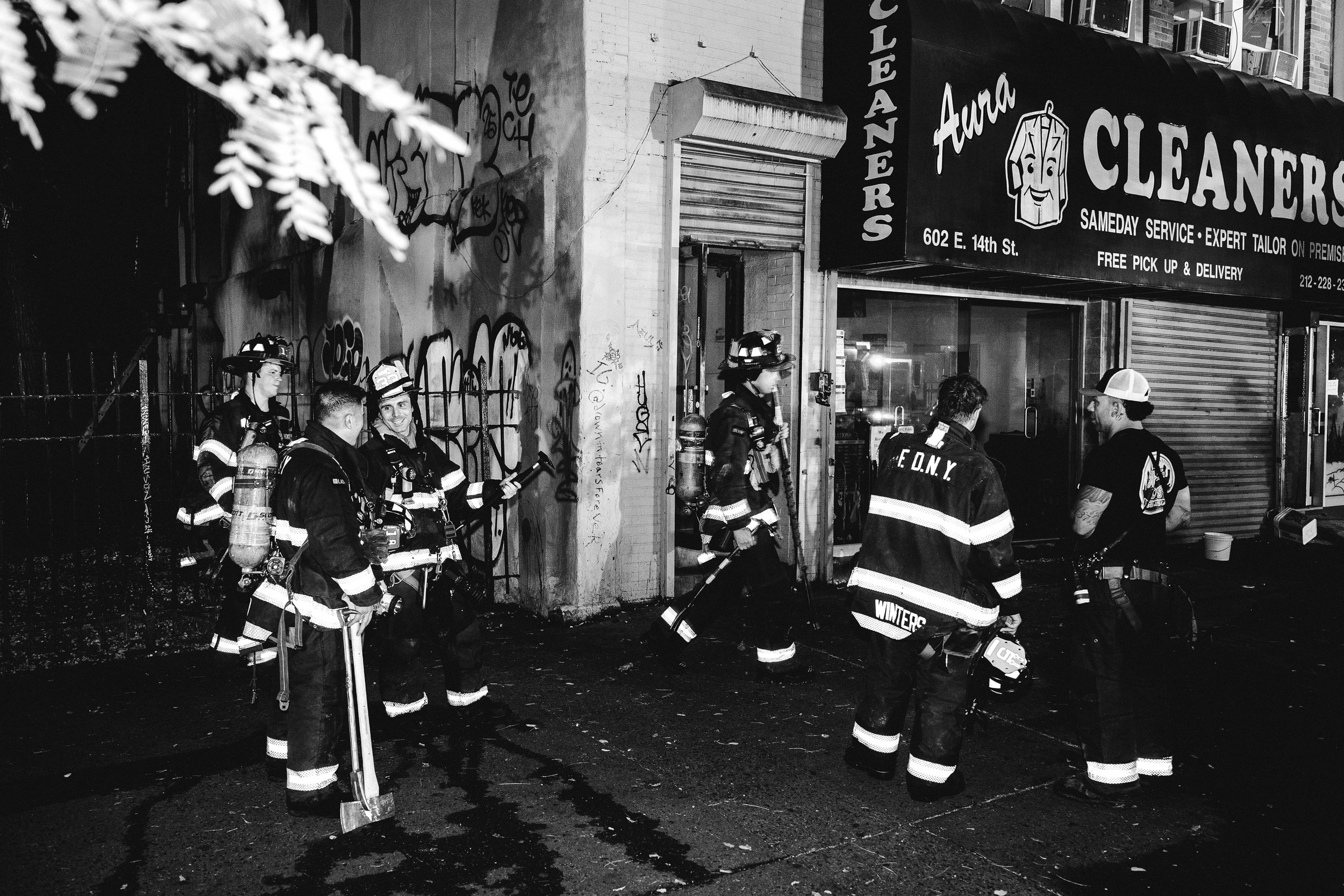
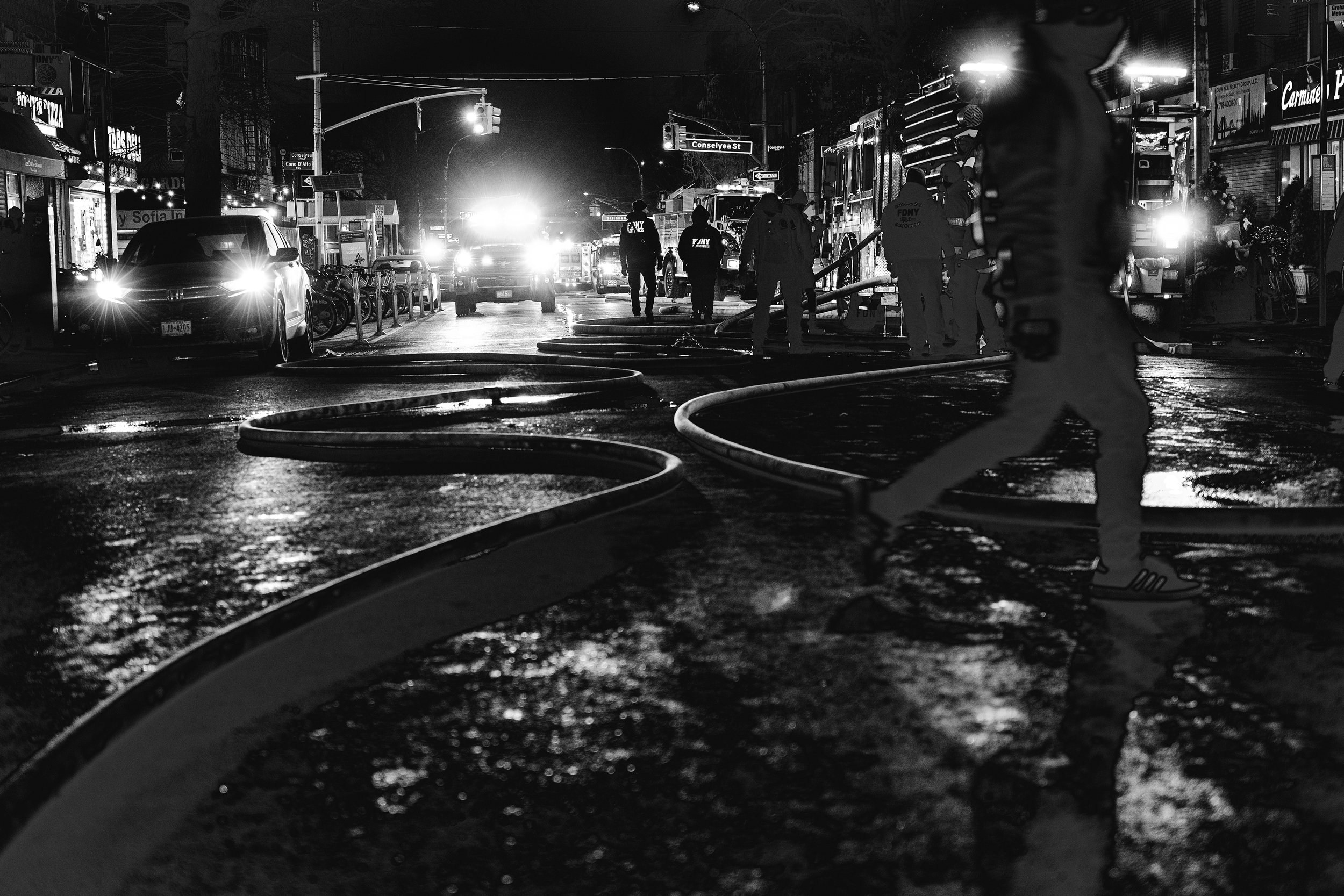
My story with city fires began by accident. Walking home late one night in Brooklyn, I came upon a building engulfed in flames. The fire was overwhelming, but what stayed with me was everything happening around it: firefighters working, people slipping through police tape holding phones and cameras, onlookers watching from a distance, some with grief, others with curiosity. It was a layered chaos: tragically intense, yet desperately mundane. I began seeking out fire scenes after that night.
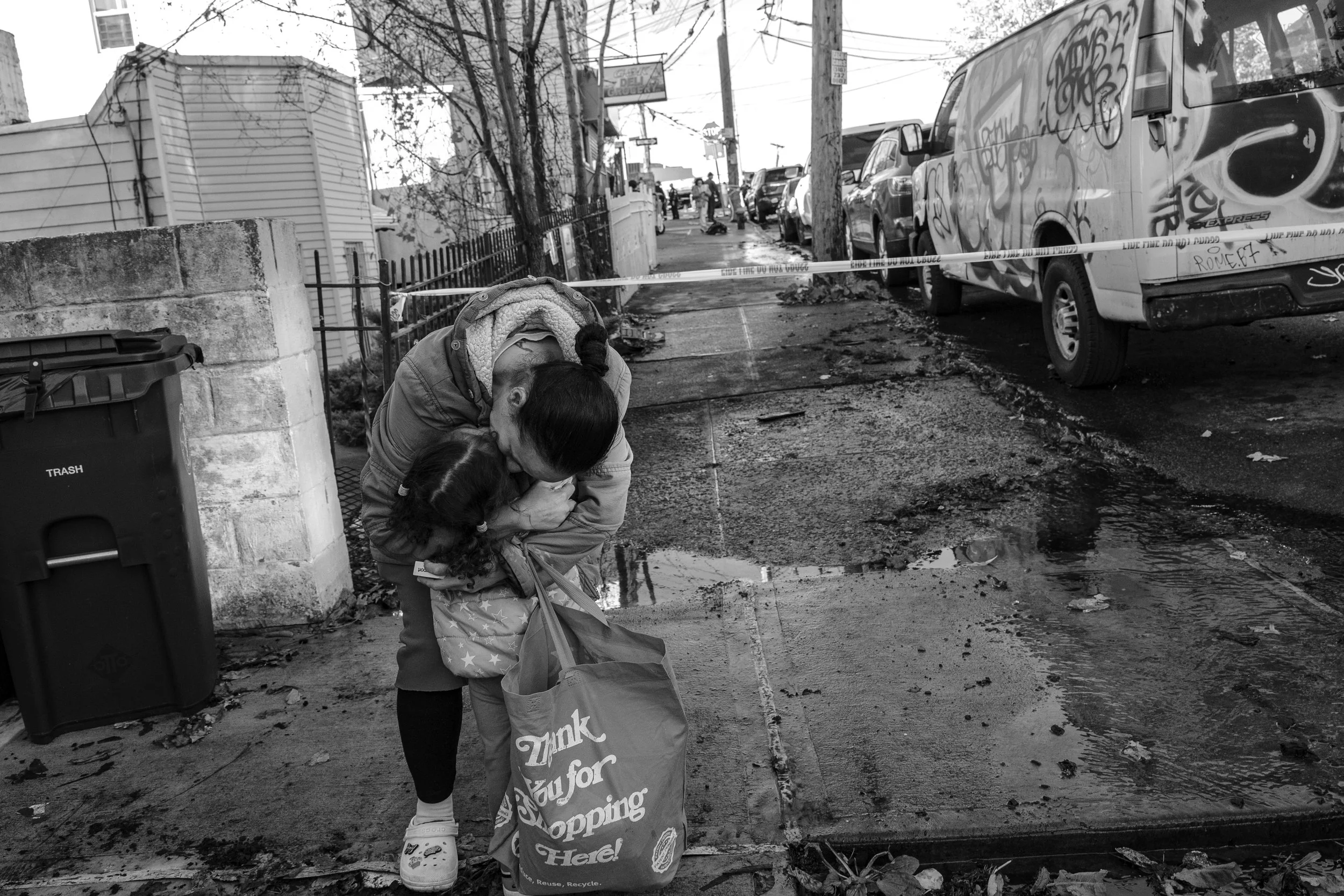
What interests me is the strange disunity of urban fires. You see bystanders filming fire trucks in excitement, while nearby, a middle-aged man holding groceries struggles to hold back tears. What devastates one life becomes a spectacle for another, a contrast too magical to make sense. And I am part of this contradiction: I return with a camera because I, too, am drawn to it.
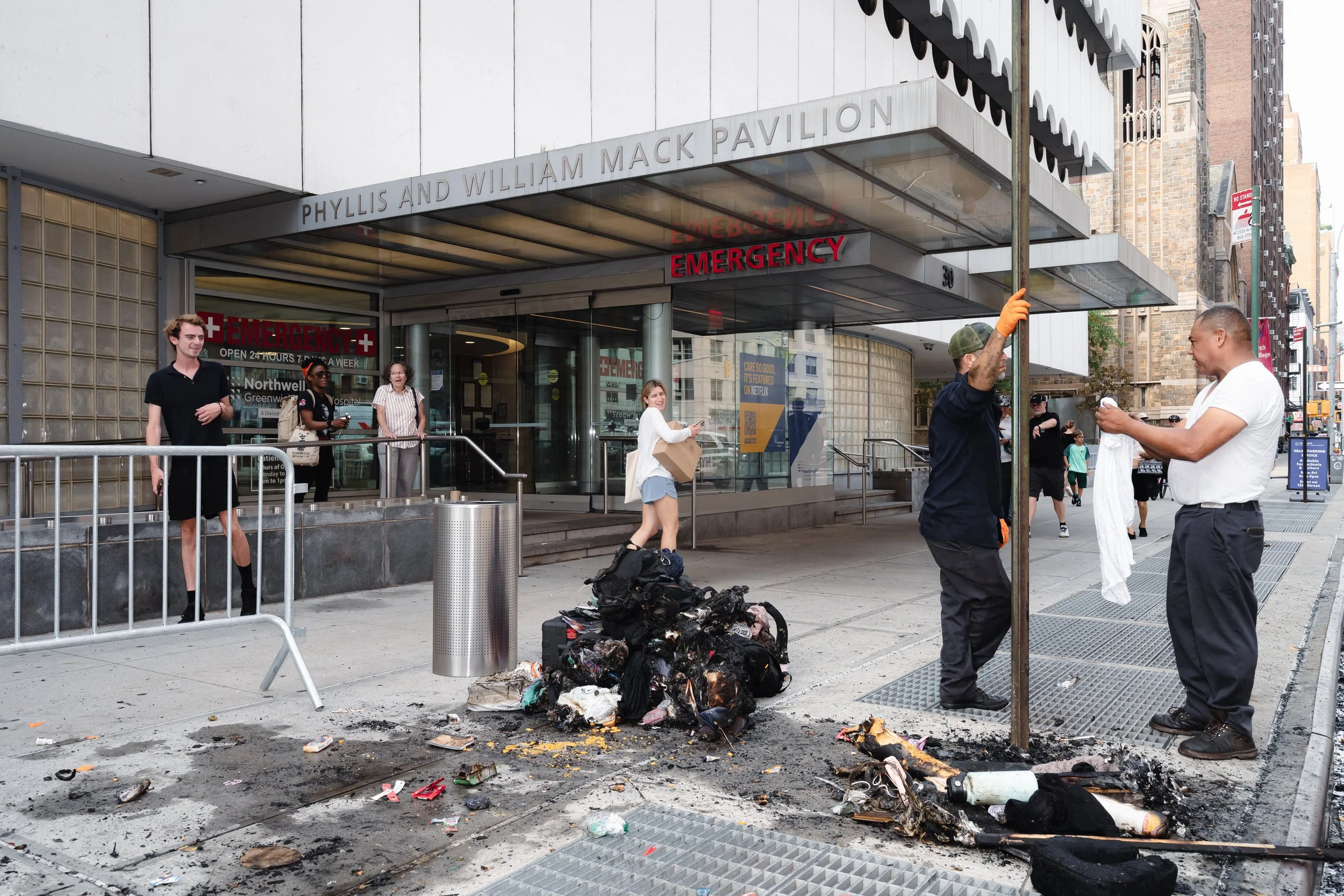
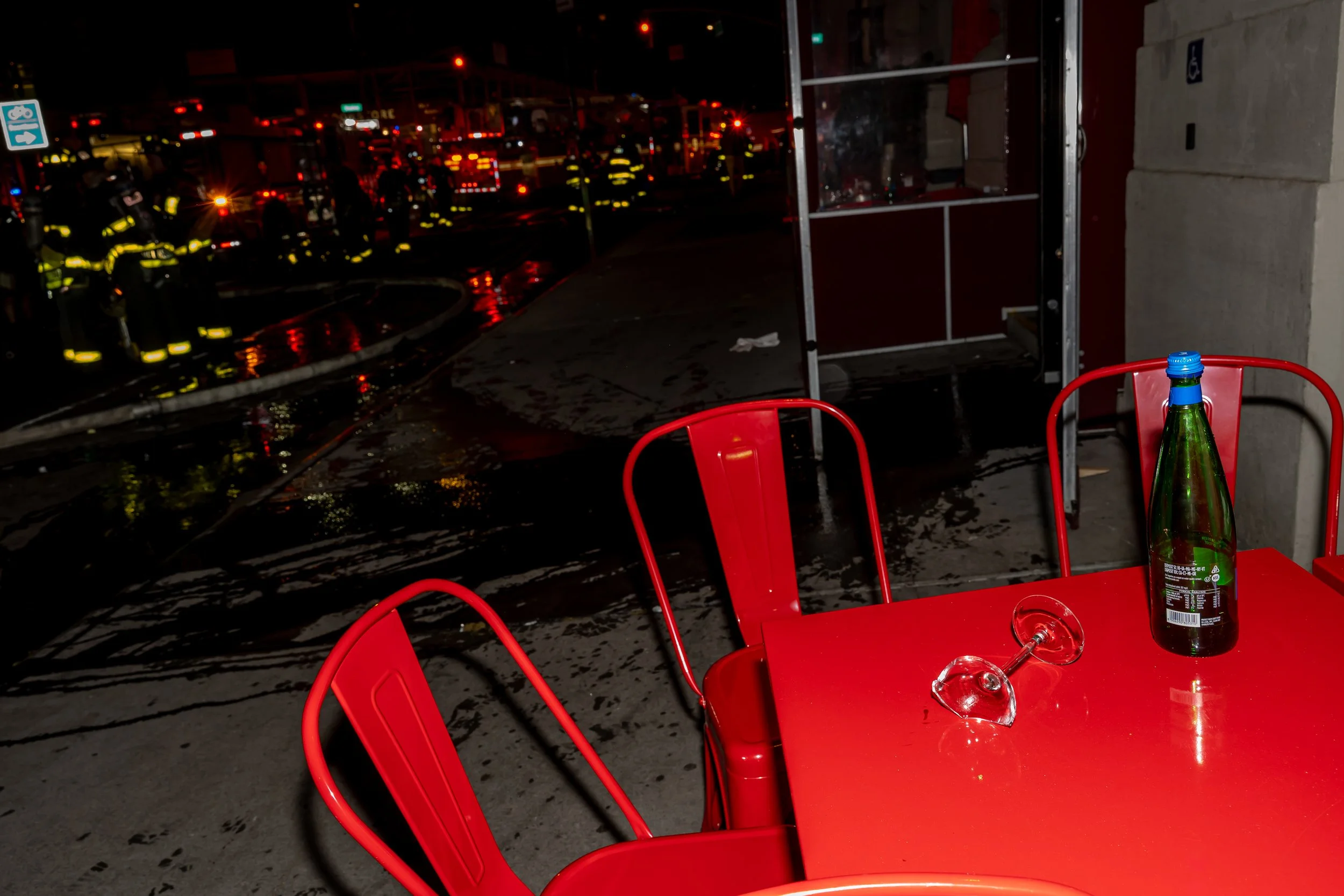
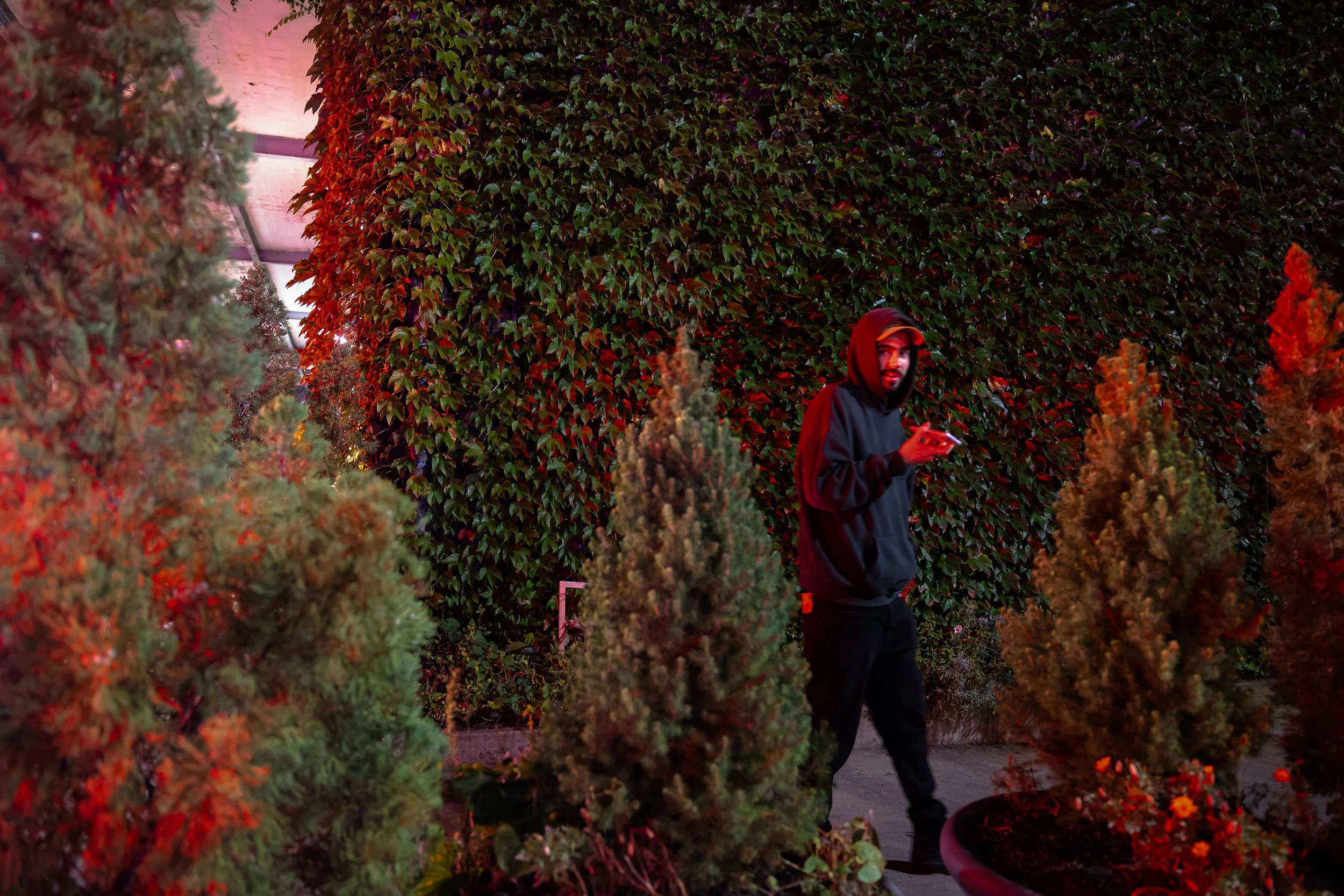
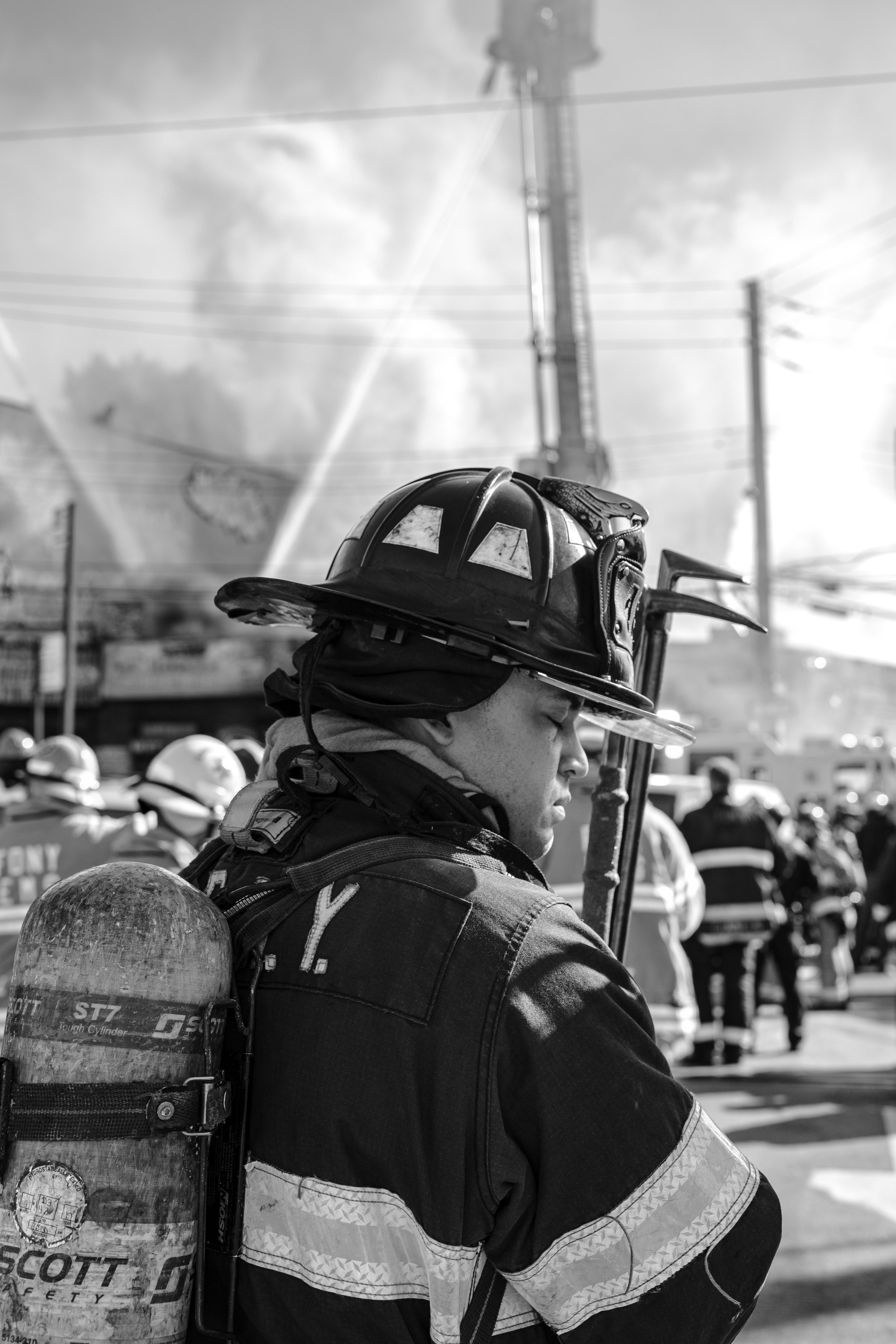
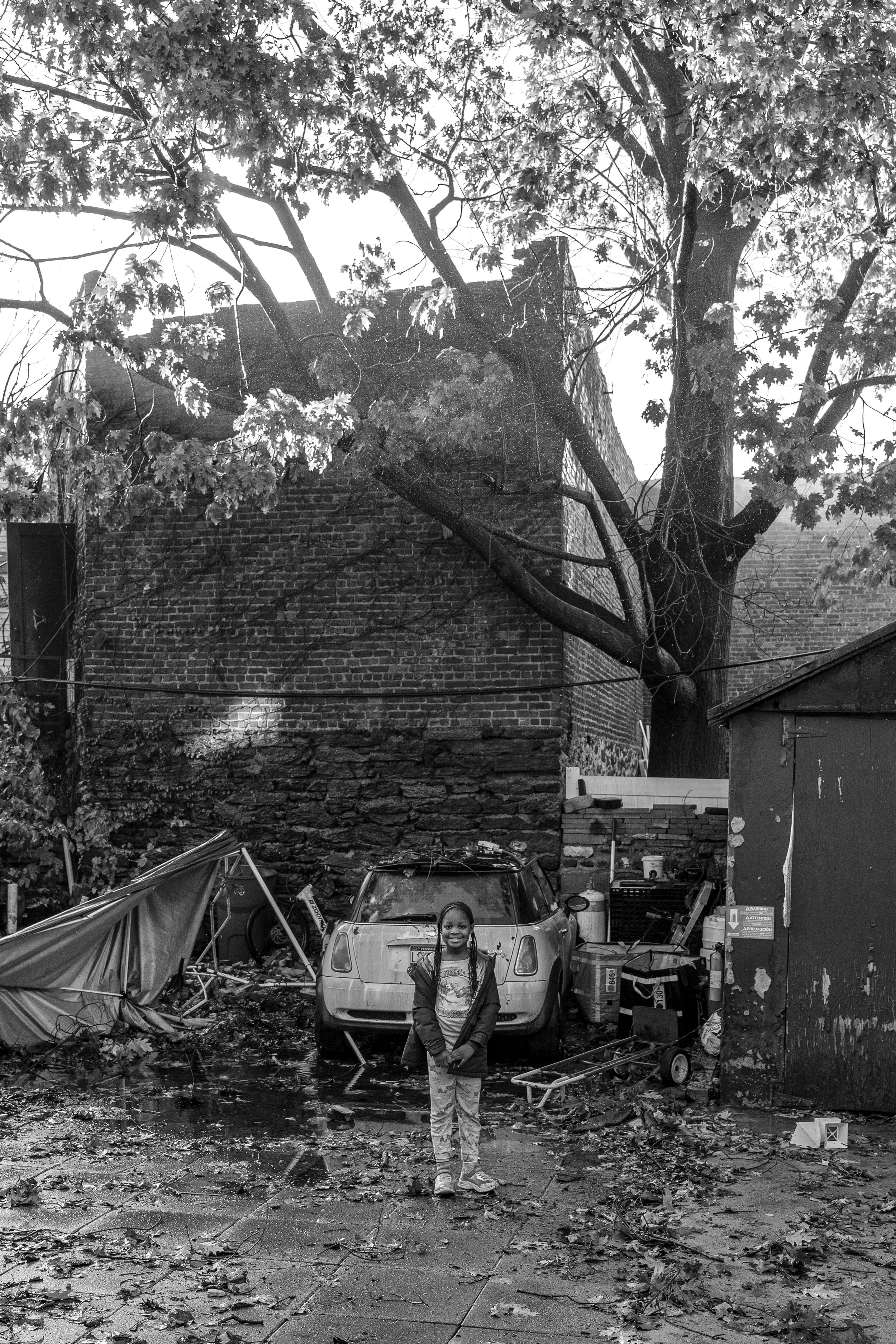
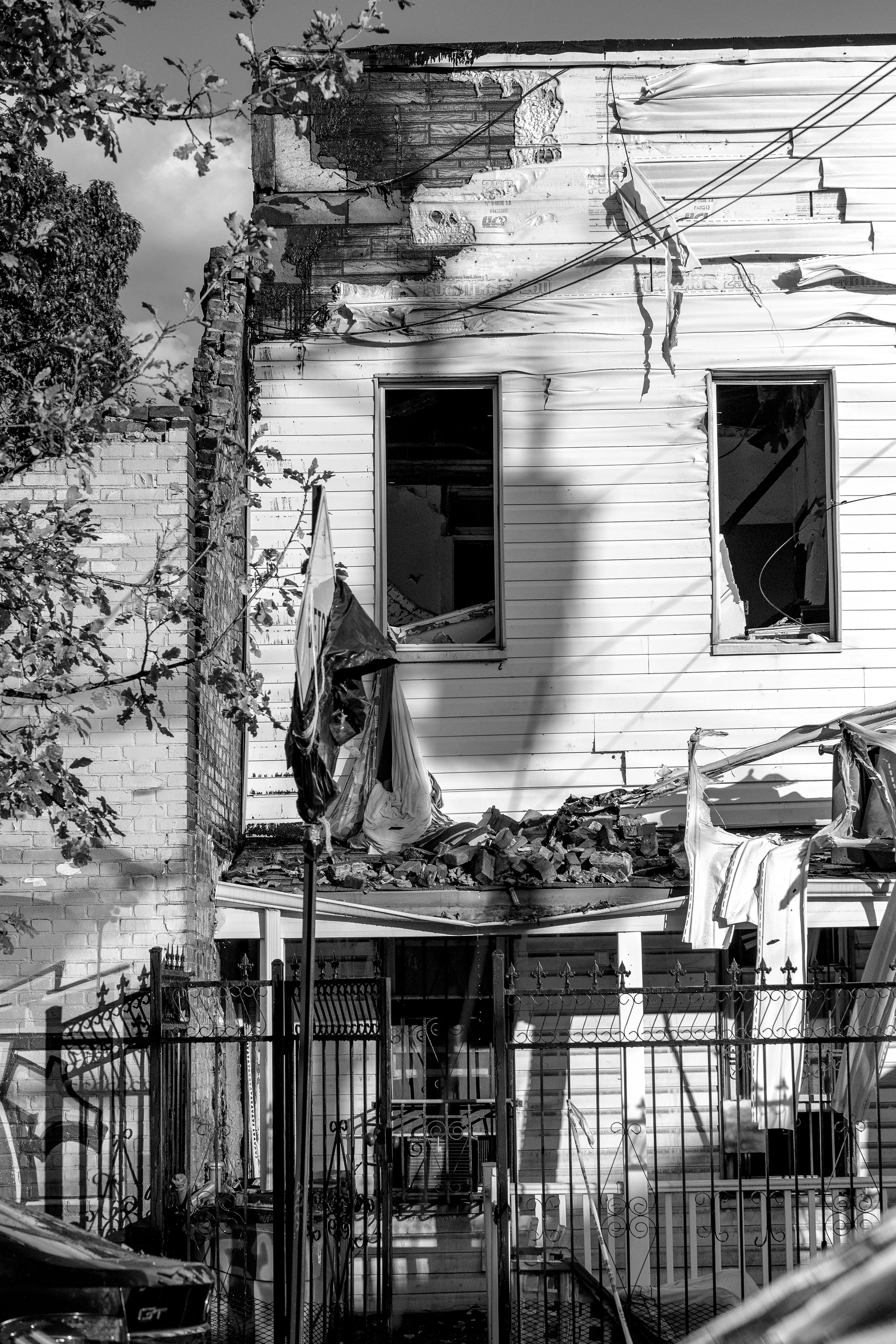
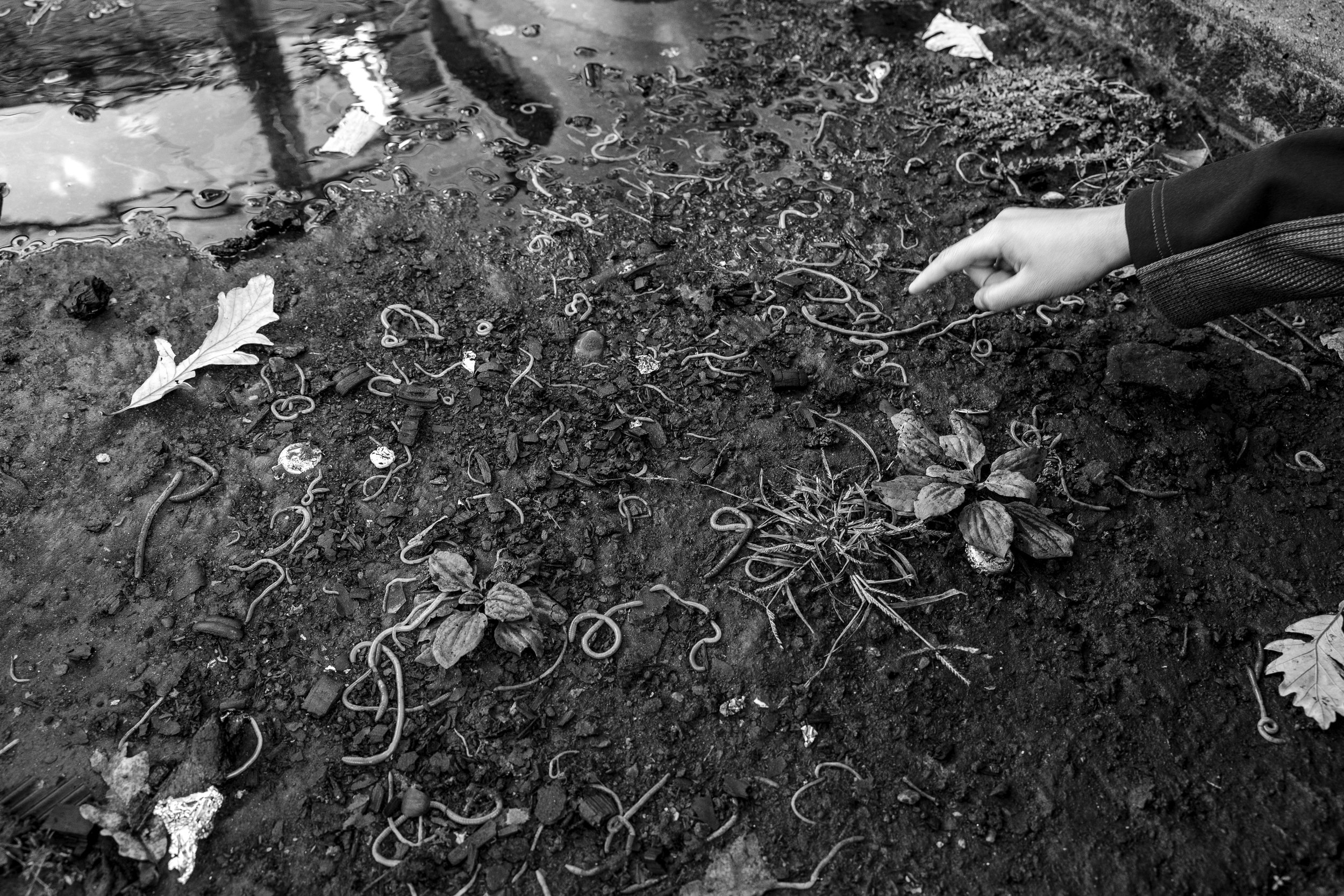
The recurrence of fires, together with the systems built to contain them, has made urban fires both exceptional and expected. They are disasters absorbed into the routine. The aftermath becomes landscape almost as soon as the spectacle ends: crowds disperse, firefighters wait, streets reopen… As the sequence progresses, the fire itself begins to disappear. What remains are gestures, footage, damaged buildings, destroyed objects… charcoal drifts in hose water, earthworms emerge from flooded soil—the spectacle fades while its consequences persist.
Selected Images: